
Water Damage Claims
Water moves through walls, floors, and ceilings long before it shows. We find and document all of it, then build your claim around what your policy covers.
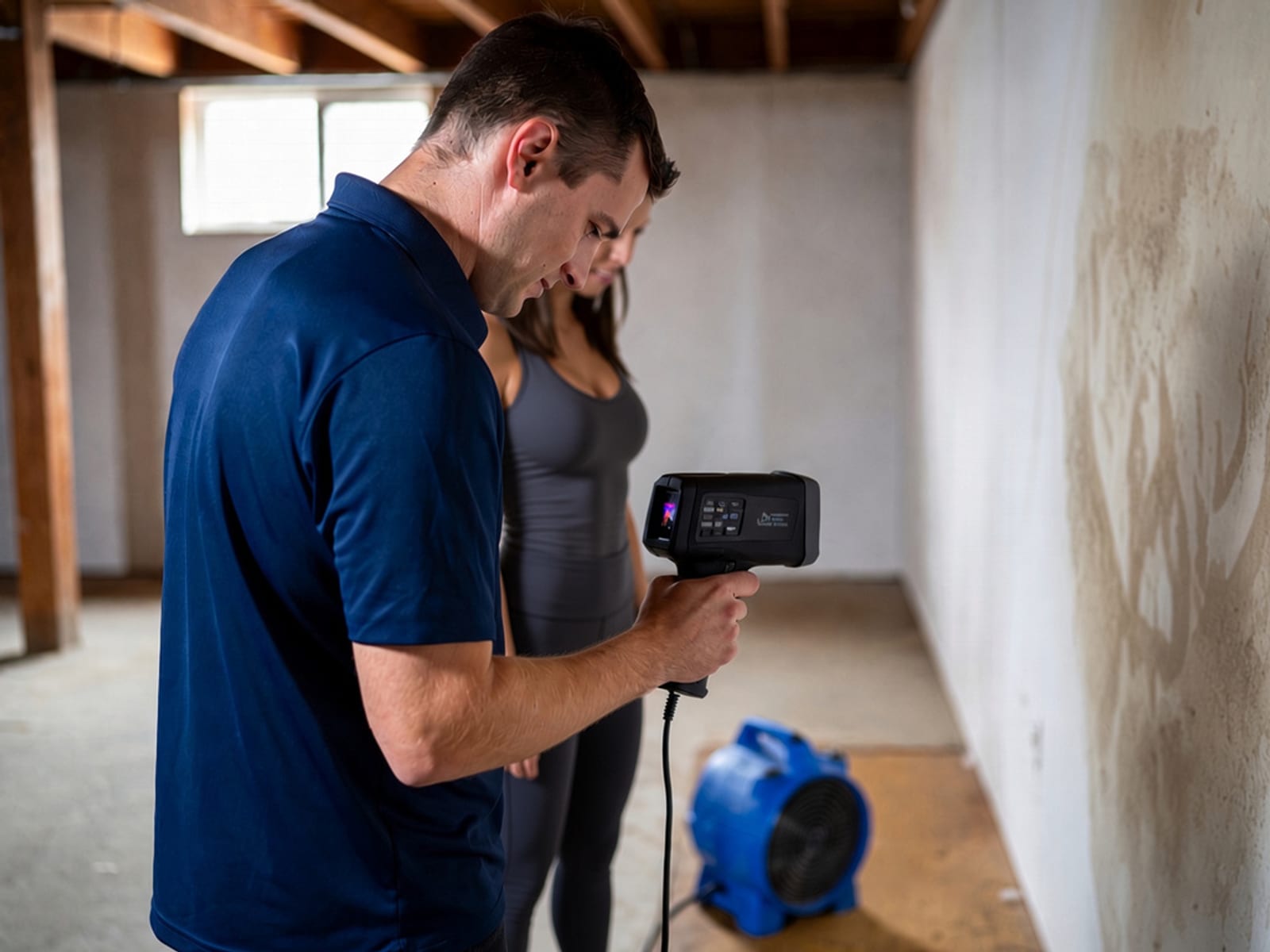
What We Look For
Water damage often reaches well beyond the visible stain. We check every area your policy may cover.
Visible damage
Stains, sagging ceilings, and swollen materials.
Hidden moisture
Water inside walls, floors, and ceilings, found with a meter.
The source
The cause of the loss, such as a burst pipe or failed appliance.
Tear-out and replacement
Drywall, insulation, and flooring that must be removed and replaced.
Warped finishes
Cabinets, trim, and hardwood that cupped or warped.
Drying costs
Dehumidification, equipment, and monitoring.
Contents
Belongings damaged by water.
ALE
Additional Living Expenses: the cost of living elsewhere while you rebuild.
What To Do Right Now
You are dealing with a lot. These steps protect your safety and your claim.
Stop the source. Shut off the main water supply if it is safe to do so.
Stay safe around electricity. Keep away from standing water near outlets and appliances.
Photograph the damage. Take photos and video before cleanup begins.
Start drying and save receipts. Reasonable steps to limit further damage are usually expected, and the costs can typically be covered.
Keep damaged materials. Hold on to them until they are documented.
Call us before you accept an offer. There is no cost to review your claim.
Water Damage Questions
Does My Policy Cover Water Damage?
It depends on the cause. Policies often cover sudden events like a burst pipe and exclude slow leaks or outside flooding. We read your policy with you.
What If The Insurer Says It Was A Slow Leak?
Insurers sometimes classify a loss as long-term seepage. We review the evidence of when and how the damage happened and compare it to your policy wording.
Is Flood Damage Covered?
Standard homeowners policies usually exclude flood from rising water. Flood coverage is typically a separate policy. We check what applies to you.
How Fast Does Water Damage Spread?
Quickly. Delay can make the damage and the claim larger, so start drying and documenting right away.
Can I Hire You If My Claim Is Already Open?
Often, yes. Bring your policy, claim file, and carrier letters, and we will review where things stand.
Other Claims We Handle
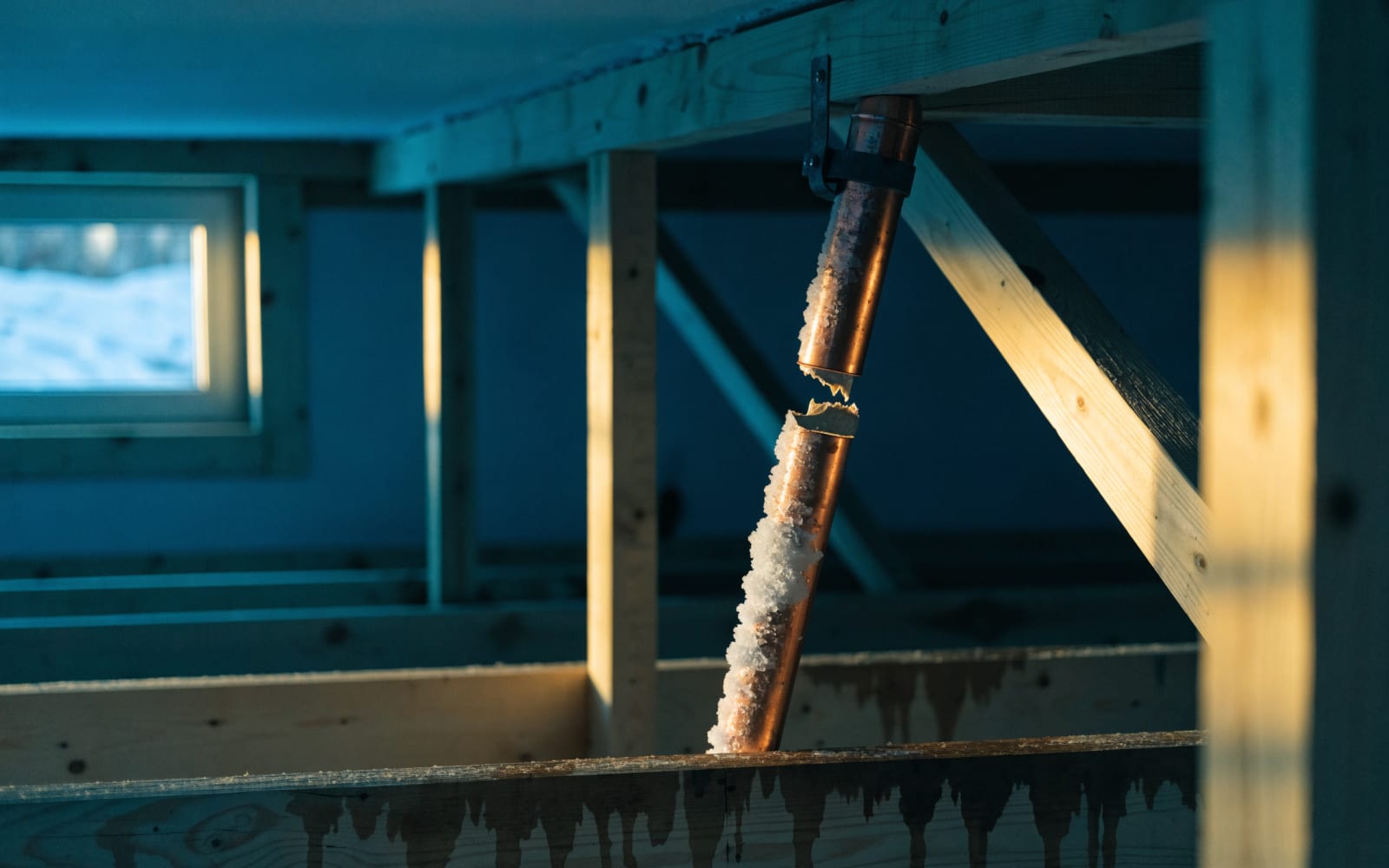
Frozen Pipes
Burst and split pipes, freeze damage, and the water loss that follows.
Learn More about Frozen Pipes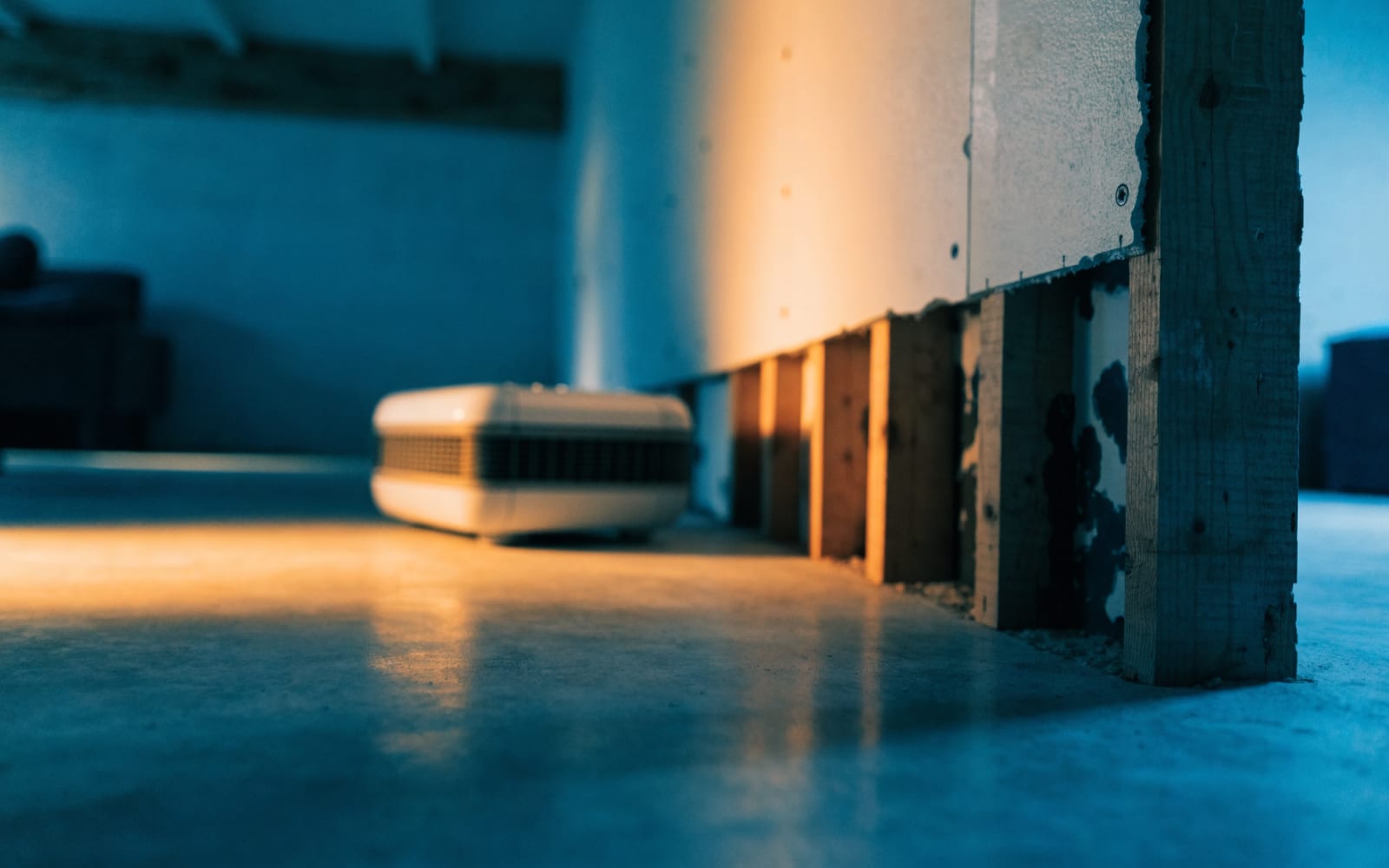
Mold
Hidden moisture, visible growth, and the testing and remediation limits in your policy.
Learn More about Mold
Underpaid Claims
Lowball offers, missed line items, and estimates that fall short of real repair costs.
Learn More about Underpaid Claims